



Field & women's health
Gynecology: definition, history, training and major fields
What is gynecology?
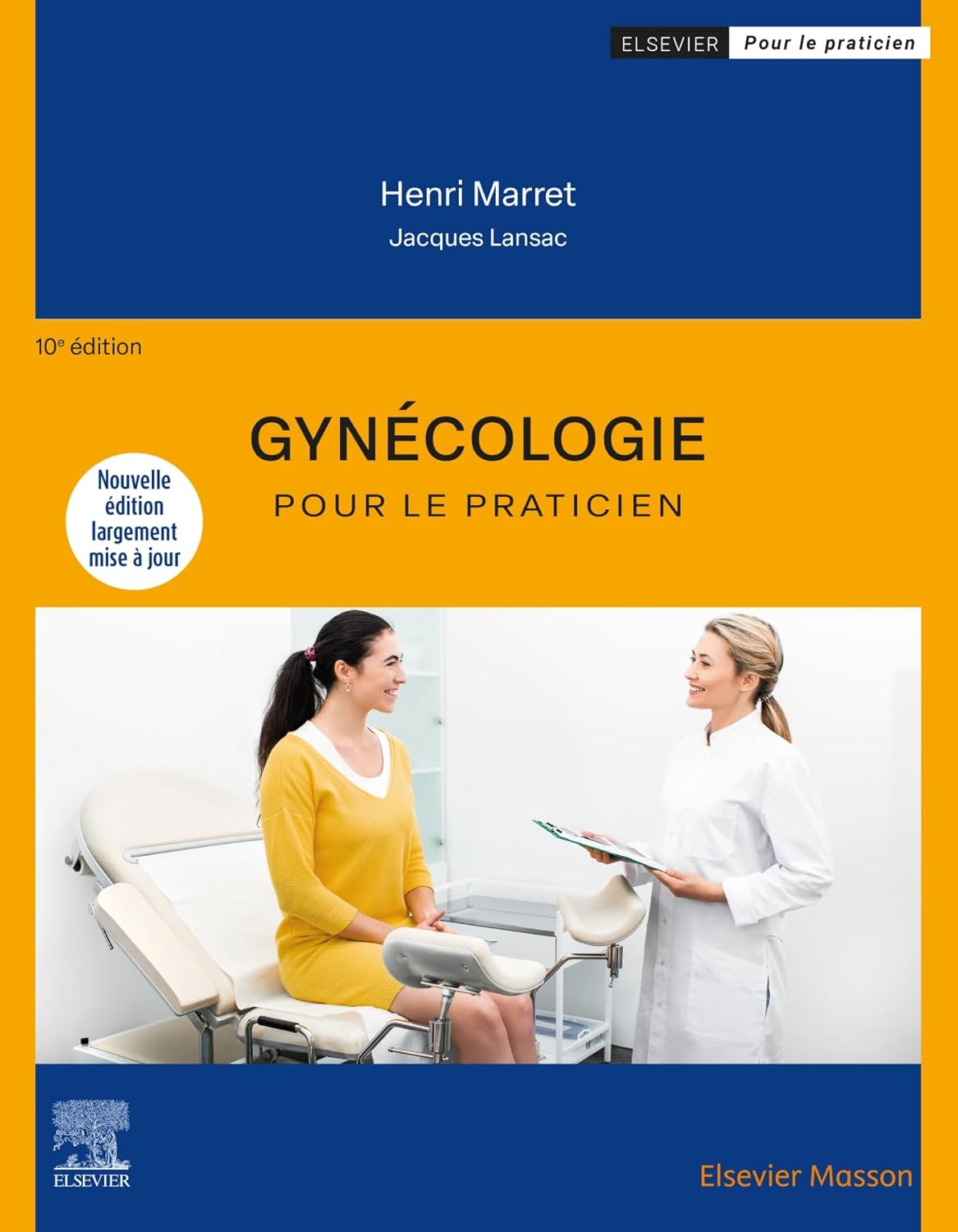
Gynecology is the branch of medicine devoted to the female reproductive system and to women's intimate health. It covers hormonal monitoring, contraception, screening, pregnancy (through obstetrics) and the treatment of many conditions, from puberty until well after menopause. Both a medical and a surgical discipline, it draws on a history that spans several millennia and ranks among the longest specialties to train for. Here is a complete tour of the field, from its origins to how it is taught today.
Four thousand years of history
Caring for women's health is far from a recent idea. The oldest surviving medical text on the topic, the Kahun papyrus, was set down in Egypt around 1800 BCE. Across only a few pages, it already touches on fertility, pregnancy, contraception and ailments of the female reproductive tract. Several centuries later, Greek and then Roman physicians built on this knowledge: in the 2nd century CE, Soranus of Ephesus composed a treatise on the subject so thorough that he would long be hailed as the discipline's true founding figure. The very term gynecology stems from the Greek gunê (woman) and logos (study) — quite literally, the study of woman.
From the Middle Ages to the Renaissance
During the 11th century, at the renowned School of Salerno, a female physician known as Trotula produced influential texts on women's ailments and on care surrounding childbirth, works that would shape European practice for generations. The flourishing of the earliest universities from the 13th century, together with the later arrival of the printing press, accelerated the circulation of anatomical knowledge. Yet this same professionalization went hand in hand with the steady sidelining of women from scholarly medicine, which remained largely a male preserve.
The 19th-century surge
It was in the 19th century that gynecology came into its own as a surgical specialty, thanks to refined instruments such as the speculum and to the first ambitious operations. The era produced trailblazers but also troubling figures: the procedures of the American surgeon James Marion Sims, occasionally dubbed the "father of modern gynecology", are today sharply contested, since they were performed on enslaved women without consent or anesthesia — a stark reminder of the ethical stakes woven through medical history. Progress nonetheless gathered pace: the first hysteroscopy was carried out in 1869, and from 1928 the physician Georgios Papanicolaou perfected the Pap smear, which would transform cervical-cancer screening.
The turning point of the 20th century
The last century reshaped women's care from top to bottom. The advent of the contraceptive pill and of intrauterine devices gave women unprecedented command over their fertility. Ultrasound, brought into obstetric use at the close of the 1950s, opened a direct view onto pregnancy and the pelvic organs. Finally, the path from artificial insemination to in vitro fertilization culminated in 1978 with the birth of Louise Brown, the world's first "test-tube baby". Screening, imaging, hormone therapy and assisted reproduction: contemporary gynecology had arrived.
When did dedicated facilities appear?
For a very long time, childbirth and women's care unfolded at home, in the hands of midwives. The first sizeable hospital maternity wards emerged in Europe from the 17th and 18th centuries, followed in the 19th by hospitals devoted entirely to women's diseases. Gradually, gynecology detached itself from obstetrics to stand as a discipline of its own. Today, care is delivered across private practices, maternity units ranked by risk level, hospital gynecology-obstetrics departments, assisted-reproduction (ART) centers and cancer-treatment centers.
Training in gynecology in France
In France, the route into gynecology is among the longest in all of medicine. Everything starts with the first year of health studies — the PASS track or the L.AS degree — which superseded the old PACES in 2020. There follow the externat years, up to the sixth, blending theory with the first hospital placements. At their close, students sit the national ranking exams (ECN/EDN), whose results dictate both specialty and city of residency. The residency (internat) then begins: a salaried period of specialization leading to the specialized studies diploma (DES). Two distinct routes coexist — a French specificity — the DES in medical gynecology (roughly 10 years of study in all) and the DES in obstetric gynecology (around 11 years), the latter weighted toward surgery and childbirth. The journey ends with the defense of a doctoral thesis in medicine.
Placements, sub-specialization and lifelong learning
Hands-on work sits at the heart of the curriculum. From the externat onward, trainees complete numerous hospital placements, and the residency rotates them through medical gynecology, obstetrics, gynecological surgery, imaging and reproductive medicine. Residents may round out their path with a Cross-Disciplinary Specific Training (FST) — successor to the former DESC — in order to sub-specialize. Across an entire career, practitioners likewise remain bound by a continuing professional development (DPC) requirement that keeps their knowledge current.
The major fields of gynecology
The discipline spans remarkably varied territory: medical gynecology (monitoring, contraception, menopause, screening), obstetric gynecology (pregnancy, childbirth, surgery), gynecological oncology (cancers of the uterus, ovary and breast), reproductive medicine and ART (infertility, IVF), senology (breast health), urogynecology and specialist ultrasound. Such breadth places gynecology at the meeting point of surgery, endocrinology and public health.
Did you know?
Medical gynecology — a standalone specialty with no compulsory surgical component — is a genuine French peculiarity: few countries offer an equivalent qualification. Once threatened with disappearance, it was reinstated under pressure from patient associations deeply committed to close, lifelong follow-up.
From ancient Egypt to the assisted-reproduction centers of the present day, gynecology recounts a long endeavour: a medicine shaped for women and carried forward by ever-better-trained practitioners. A field in perpetual motion, where science, prevention and attentive listening converge in the service of women's health.